You Don’t Need Every Platform: Making Social Media Work Strategically
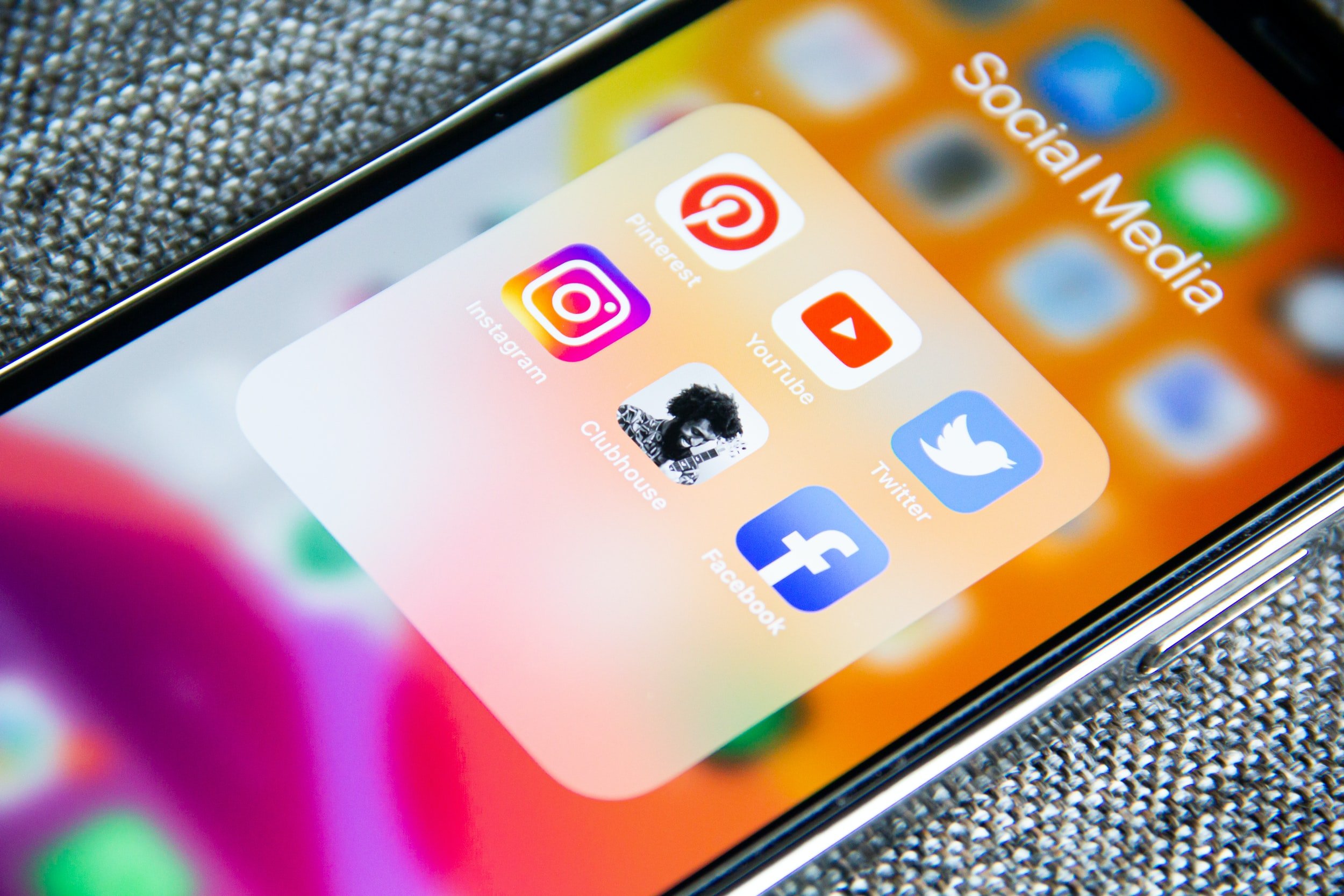
Social media should support your business goals — not become another overwhelming task.
Many businesses feel pressure to be everywhere online.
Instagram. Facebook. LinkedIn. TikTok. YouTube. Threads. Pinterest.
The list keeps growing, and so does the pressure to post constantly, follow trends, and keep up with every new feature.
The reality? You do not need every platform.
You need a strategy.
Social media works best when it aligns with your business goals, audience behavior, and available resources. Being intentional often creates better results than trying to be everywhere at once.
Start With Purpose Before Posting
Before creating content, ask yourself:
Why am I posting this?
Who is this content for?
What action do I want someone to take after seeing it?
Every post should have a purpose.
Your content may be designed to:
Educate your audience
Build trust and credibility
Increase website traffic
Generate leads
Encourage inquiries or bookings
Strengthen community engagement
Without direction, social media can quickly become a cycle of posting without results.
Focus on Quality Over Quantity
Consistent content matters, but quality matters more.
A smaller amount of intentional content often performs better than posting simply to stay active.
Some ways to improve content quality include:
Use Strong Visuals
Your content should capture attention quickly. Photos and videos should align with your brand and feel professional, even when created with a phone.
High-quality visuals help communicate credibility and create a stronger first impression.
Keep Branding Consistent
From colors and fonts to messaging and tone, consistency helps audiences recognize and remember your business.
Your brand should feel familiar across all platforms and marketing materials.
Create Content That Provides Value
Ask yourself what your audience gains from the post.
Good content often does one of three things:
Educates – teaches something useful
Encourages – inspires action or connection
Entertains – captures attention while staying aligned with your brand
Content should support the customer journey, not just fill a content calendar.
Choose the Right Platform for Your Business
One of the biggest misconceptions in marketing is believing every business needs every platform.
The best platform depends on your audience, goals, resources, and industry.
Consider these factors:
Time
Managing social media takes time.
Between content creation, scheduling, responding to messages, and analyzing performance, maintaining multiple platforms can become overwhelming.
If resources are limited, focus on where your audience already spends time.
Team Capacity
Not every business has an internal marketing team.
If you are managing operations, sales, and customer service, maintaining several platforms may not be realistic.
Starting with one or two strong channels can often create better results than spreading efforts too thin.
Budget
Marketing requires investment — whether through time, tools, advertising, or support.
Creating a marketing budget helps businesses plan intentionally and support long-term growth efforts.
Even smaller budgets can create meaningful impact when strategy leads the process.
Audience Behavior
Your audience determines where you should show up.
The most popular platform is not always the right one.
Research where your customers spend time, how they engage, and what type of content they consume.
Meet people where they already are.
Social Media Should Work With Your Business — Not Against It
The goal is not to post more.
The goal is to create intentional marketing that supports business growth.
Social media should help businesses:
Build visibility
Strengthen relationships
Increase trust
Support lead generation
Guide people toward action
You do not need every platform.
You need clarity, consistency, and strategy.
At Brio Marketing Solutions, we believe marketing works best when strategy comes first and tools support the process.